

After cosmetic surgery, strict adherence to post-operative instructions is crucial for optimal recovery and lasting results. Among these guidelines, wearing compression garments stands out as one of the essential pillars. Provided by the plastic surgeon, these garments accelerate healing, minimize complications, and maximize the final aesthetic result. Ignoring this step can prolong swelling, aggravate scarring, or compromise the body contours achieved.
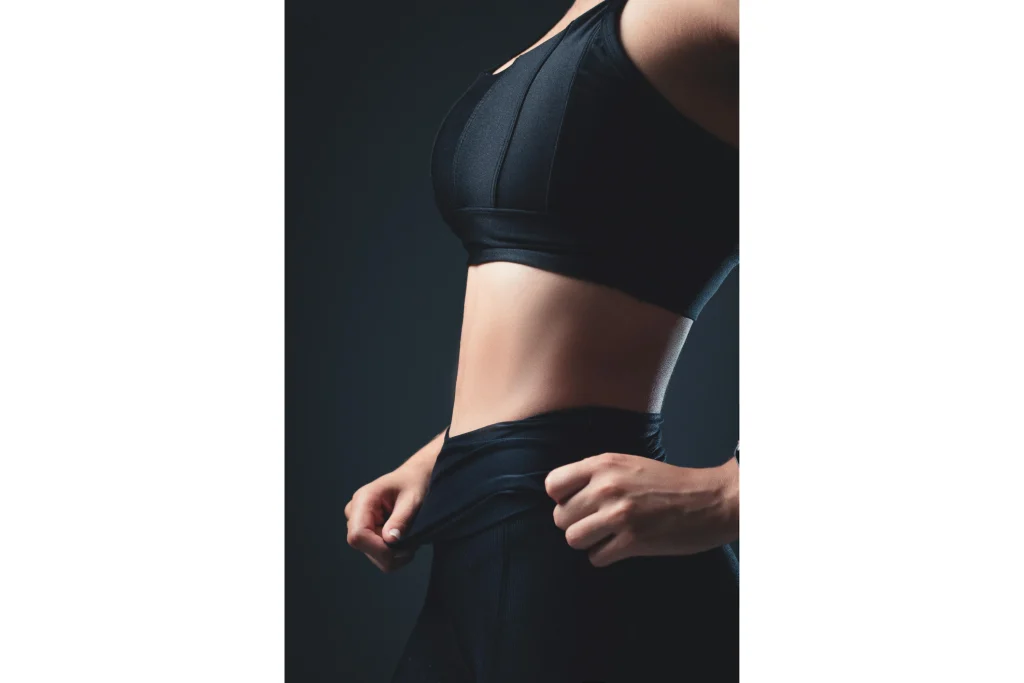
Compression garments
Definition
Compression garments are certified medical devices made from high-performance materials such as nylon, Spandex (elastane), or breathable polyester. These elastic fabrics exert graduated pressure on the treated areas, promoting lymphatic and venous circulation while supporting soft tissue. They are suitable for a wide range of body contouring procedures, including liposuction, abdominoplasty, breast augmentation or reduction, brachioplasty, and cervico-facial liposuction.
Available in custom sizes (from XS to XXL, with options for various body types), they come in the form of full bodysuits, abdominal belts, arm or thigh sleeves, or face masks. For example:
- After breast augmentation: a non-underwire compression bra, similar to a high-performance sports bra, keeps the implants in place and reduces breast edema.
- After abdominal liposuction: a compression garment covering from the chest to the knees, with side zippers and cross openings for toileting.
- After neck liposuction: a wrap-around chin strap that extends up to the ears, preventing skin ptosis.
Your surgeon will usually provide you with the first garment free of charge, adjusted precisely when you leave the clinic. If the swelling subsides quickly, ask for a smaller size at your first follow-up appointment.
5 benefits of post-surgery compression garments
Wear them continuously (24 hours a day, except when showering) for the recommended duration, without removing them prematurely. Here’s why they are essential:
Wear them continuously (24 hours a day, except when showering) for the recommended duration, without removing them prematurely. Here’s why they are essential:
1.Reduces swelling (postoperative edema)
Edema is a normal inflammatory response: after surgery, lymphatic vessels and capillaries leak plasma into the interstitial tissues, causing swelling that can reach 20-50% of the operated volume. Constant compression limits this accumulation by promoting lymphatic drainage to the lymph nodes (e.g., axillary or inguinal). The result: a 30-50% reduction in edema within 48-72 hours, less pain (thanks to antinociceptive pressure), and accelerated healing. If the garment becomes loose, switch to a smaller size to maintain effectiveness.
2.Reduces bruising (hematomas)
Any incision breaks capillaries, releasing blood into the tissues (subcutaneous hemorrhage). Without compression, red blood cells migrate to the epidermis, forming bruises that are visible for 2-4 weeks. The garment acts as a mechanical barrier, stabilizing the vessels and promoting blood reabsorption via the venous circulation. Clinical studies show a 40% reduction in bruise area and twice as fast resolution.
3.Minimize visible scars
Although your surgeon will place incisions in natural folds (under the breast, bikini line), scarring depends on tissue tension, genetics, and hygiene. Compression flattens hypertrophic scars by inhibiting the proliferation of fibroblasts (cells that produce excess collagen), reducing scar thickness by 50% according to meta-analyses. Complete with a protocol: silicone gel (from day 15), fractional laser (from month 3) and UV sun protection (SPF 50+ for 1 year).
4.Improve comfort and mobility
Designed to be stretchy (elasticity >200%), this garment supports flaccid tissue, limits painful movements, and protects against accidental shocks. It should fit snugly without constricting: check for deep marks or shortness of breath. In case of discomfort (itching, irritation), apply a neutral moisturizing cream and consult a doctor. Comfort is increased and encourages early mobility, which is essential for preventing ankylosis.
5.Reduce the risk of infection and vascular complications
Surgery creates a skin breach; reduced mobility promotes venous stasis, increasing the risk of thrombosis (DVT: 1-5% of cases) or infection (2-10%). Graduated compression boosts venous return by 20-30%, oxygenates tissues, and accelerates wound vascularization. Maintain strict hygiene: wash the garment daily at 30°C (without fabric softener) and dry in the open air. Report any fever >38°C, pus, or increasing redness.
How long should compression garments be worn?
The duration varies depending on the procedure, age, BMI, and healing:
- Localized liposuction: 3-6 weeks (24/7 for the first 2 weeks, then nights only).
- Tummy tuck: 4-8 weeks (continue for the first 3 weeks).
- Breast augmentation: 4-6 weeks.
Follow these steps:
- 1. Weeks 1-2: Wear continuously (remove for 10-15 min/day for hygiene).
- 2. Weeks 3-4: 12-18 hours/day, after getting the green light at the 7-14 day follow-up.
- 3. Beyond that: Nights only, up to 3 months for consolidation.
Clean daily to prevent bacterial growth (Staphylococcus). In case of tearing or wear, request a free replacement. Follow these steps for optimal results: a visibly refined silhouette, stable at 6 months.
________________________________________
To learn more about compression garments after cosmetic surgery or for any questions, contact our cosmetic surgery consultants in Tunisia or visit our website and the following reference sites: Medespoir; Tunisie Esthetique; MEDLART…

